

Denmark stands out as a highly sought-after destination for higher education, renowned for its academic excellence and quality of life. Its universities are globally recognized for their cutting-edge research facilities and innovative teaching methods, consistently ranking among the best worldwide. The Danish education system emphasizes creativity, critical thinking, and practical skills, preparing students for successful careers in a globalized economy.
Beyond academics, Denmark offers a progressive and inclusive society with a strong focus on sustainability and innovation. The country’s vibrant cultural scene, rich history, and high standard of living provide an enriching experience for international students. With English widely spoken and taught in universities, Denmark ensures accessibility and ease of integration for students from diverse backgrounds.
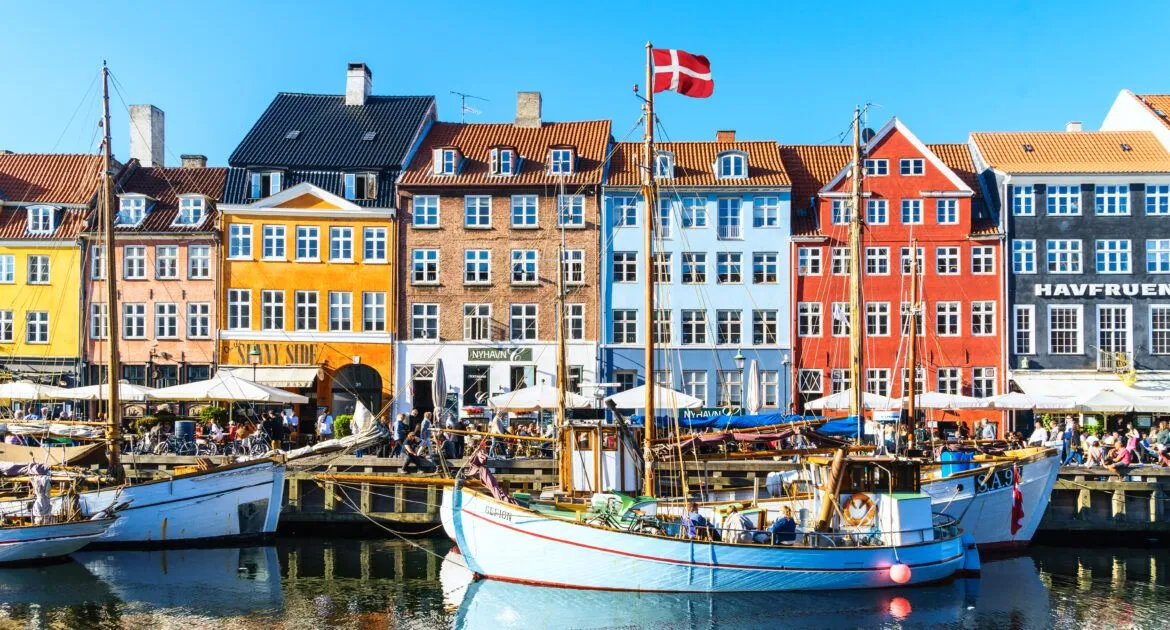
Geographically, Denmark is known for its picturesque landscapes, charming cities, and bicycle-friendly culture. Copenhagen, the capital city, exemplifies a blend of historical charm and modern amenities, making it a popular choice for students seeking both academic excellence and a high quality of life.
Whether attracted by its academic prestige, progressive values, or scenic beauty, Denmark continues to attract students worldwide seeking a transformative educational experience in a dynamic and welcoming environment.
Denmark offers not only a top-quality education but also a chance to live in a progressive society known for its innovation, sustainability, and high quality of life.
Top Reasons to Study in Denmark
High-Quality Education System: Danish universities are known for their academic excellence, innovative teaching methods, and focus on research-based learning. The degrees offered are recognized internationally.
Strong Emphasis on Research and Innovation: Denmark invests heavily in research and development, providing ample opportunities for students to engage in cutting-edge research across various disciplines.
Inclusive and Progressive Society: Denmark is known for its social equality, gender equality, and progressive policies. It consistently ranks high on global happiness and quality of life indices.
English-Taught Programs: Many universities in Denmark offer a wide range of programs taught in English, making it accessible for international students who may not speak Danish.
Safe and Welcoming Environment: Denmark is considered one of the safest countries in the world, offering a peaceful and secure environment for students from all backgrounds.
Cultural Diversity: While Danish culture is rich and distinctive, Denmark also embraces cultural diversity, with a growing international community and opportunities to engage with people from around the world.
Work Opportunities: International students are allowed to work part-time (up to 20 hours per week) during the academic year and full-time during holidays, providing valuable work experience and extra income.
Green and Sustainable Living: Denmark is known for its commitment to sustainability and green living. It offers opportunities for students interested in environmental studies and sustainable practices.
Vibrant Student Life: Danish universities have active student unions and offer a wide range of clubs, societies, and events, providing students with opportunities to socialize, network, and engage in extracurricular activities.
Scholarship Opportunities: Various scholarships, grants, and financial aid options are available for international students, helping to make studying in Denmark more affordable.
Location: Denmark is located in Northern Europe, bordered by Germany to the south and surrounded by the North Sea and the Baltic Sea.
Capital: Copenhagen is the capital and largest city of Denmark.
Population: As of the latest data, Denmark has a population of around 5.8 million people.
Language: Danish is the official language, spoken by the vast majority of the population.
Government: Denmark is a constitutional monarchy with a parliamentary system. The monarch is currently Queen Margrethe II.
Economy: Denmark has a highly developed mixed economy, known for its welfare state and high standard of living. Key industries include manufacturing, pharmaceuticals, renewable energy, and shipping.
Culture: Danish culture is known for its emphasis on simplicity, functional design, and social equality. The country has produced influential figures in literature, design (notably furniture), and architecture.
Green Energy: Denmark is a global leader in renewable energy production, particularly wind power. It aims to be carbon-neutral by 2050.
Cuisine: Danish cuisine is characterized by its use of seafood, dairy products, and rye bread. Traditional dishes include smørrebrød (open-faced sandwiches), herring, and pastries like Danish (pastry).
Bicycling: Copenhagen is famous for its extensive bicycle paths and culture of cycling, making it one of the most bike-friendly cities in the world.
History: Denmark has a rich history dating back to the Viking Age. It was a significant maritime power in Northern Europe during the medieval period.
Monarchy: The Danish royal family, one of the oldest monarchies in the world, remains a symbol of national unity and tradition.
Valid Passport: Ensure your passport is valid for at least the duration of your intended stay in Denmark.
Acceptance Letter: Offer of acceptance from the Danish educational institution where you have been accepted.
Residence Permit: Application form (ST1 form for long-term stays), along with the required fee.
Biometrics: Appointment confirmation if applicable.
Passport-sized photographs: As per the specifications outlined by the Danish immigration authorities.
Proof of Financial Means: Bank statements, scholarship letters, or other evidence to demonstrate you can support yourself financially during your stay.
Health Insurance: Proof of health insurance coverage valid in Denmark.
Academic Transcripts: Copies of your high school or previous academic transcripts as required by the Danish institution.
Language Proficiency: Results of English language proficiency tests (e.g., IELTS, TOEFL) or Danish language proficiency tests if applicable.
Proof of Funds: Bank statements or other financial documents to prove you have sufficient funds to cover tuition fees, living expenses, and return transportation.
Medical Insurance: Proof of comprehensive health insurance covering the entire duration of your stay in Denmark.
Accommodation Confirmation: Details of where you will be staying initially in Denmark, such as a hostel booking or a rental agreement.
Police Clearance Certificate: Depending on the requirements, you may need a police clearance certificate or a good conduct certificate.
Travel Itinerary: Details of your travel plans to Denmark, including flight bookings.
Translations: Ensure all documents not in English or Danish are translated by a certified translator.
Checklist Review: Double-check with the Danish embassy or consulate in Nepal for any specific requirements or changes in the application process.
Verify: Before submission, ensure all documents are complete and accurate.
Copies: Make copies of all documents for your personal records.
Student Visa: Obtain a student visa/residence permit for Denmark. You will need an acceptance letter from a Danish educational institution and meet other visa requirements.
Health Insurance: Ensure you have comprehensive health insurance coverage for the duration of your stay in Denmark. This is important as healthcare can be expensive for international students.
Financial Planning: Denmark is known for its high standard of living. Plan your finances accordingly, including tuition fees, living expenses, and any additional costs.
Accommodation: Arrange accommodation before arrival. Danish universities may offer on-campus housing or assistance in finding off-campus options.
Climate: Denmark has a temperate climate with mild winters and cool summers. Pack clothing suitable for the weather and consider any specific gear you may need.
Transportation: Familiarize yourself with transportation options in Denmark, such as public transport systems and cycling, which is popular and convenient in many cities.
Cultural Adjustment: Denmark has a distinct culture and customs. Take time to learn about Danish culture, etiquette, and social norms to ease your transition.
Language: While many Danes speak English fluently, learning basic Danish phrases can be helpful for daily interactions and integration into local life.
Part-Time Work: Understand the regulations for international students regarding part-time work in Denmark. Many students find part-time work to help cover living expenses.
Emergency Contacts: Keep a list of emergency contacts in both Nepal and Denmark. Familiarize yourself with local emergency services and healthcare facilities.
If the answer you're looking for isn't here, feel free to ask your question. We're here to help!
Yes, we offer comprehensive career counseling and planning services to help you make informed decisions about your academic and professional future. Our consultants can assess your strengths, interests, and career objectives to provide personalized guidance on potential career paths, further education options, and job opportunities.
If you have additional questions or would like more information about our services, please don't hesitate to contact us through our website or by email at info@dec.edu.np. Our friendly and knowledgeable team is here to assist you and address any concerns you may have.
Dynamic Education Complex is an education consultancy firm that provides personalized guidance and support to students seeking to pursue higher education. We offer services such as academic counseling, college admissions assistance, and career guidance.